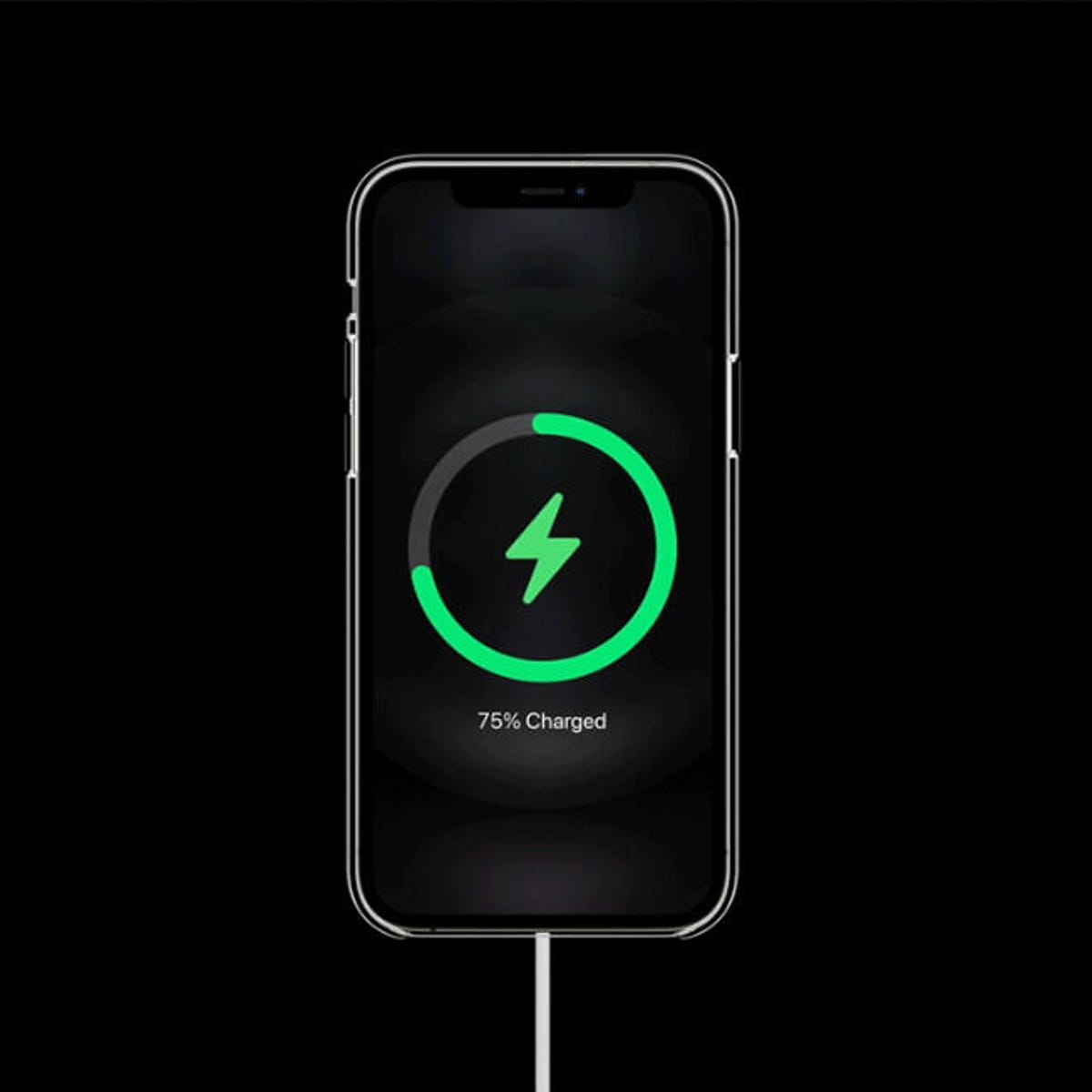
The Future of Charging: Innovations in Powering Up Technology
The future of charging technology is poised to revolutionize the way we power our devices and vehicles. Innovations such as wireless charging and ultra-fast charging technologies are already making waves in the industry. Wireless charging pads, which use magnetic resonance to transfer energy, are becoming increasingly popular, allowing users to eliminate the clutter of cables. Moreover, advancements in battery technologies, such as solid-state batteries, promise to enhance the efficiency and safety of charging, potentially leading to electric cars that recharge in minutes rather than hours.
In addition to these advancements, the integration of smart technology into charging systems is set to redefine user experience. With IoT capabilities, charging stations can analyze user habits and offer customized solutions that maximize convenience and efficiency. For instance, smart charging stations can adjust power output based on the time of day or grid demand, which helps in reducing energy costs. As we look ahead, the combination of these innovative charging solutions will not only improve our daily interactions with technology but also contribute to a more sustainable future.
Counter-Strike is a popular first-person shooter game that emphasizes teamwork and strategy. Players can choose to be part of the terrorist or counter-terrorist teams, each having different objectives. For gaming on the go, check out the Top 10 Android Charging Cables to ensure your devices are always charged for those intense gaming sessions. With its competitive nature, Counter-Strike has gained a massive following in the esports community, becoming a staple in competitive gaming tournaments.
Understanding Battery Life: How Have Charging Methods Evolved Over Time?
The evolution of battery life and charging methods has seen remarkable advancements over the years, fundamentally transforming how we interact with our devices. In the early days of portable electronics, charging methods were rudimentary, with lead-acid batteries dominating the market. These batteries were relatively heavy and had limited lifespans, prompting manufacturers to seek alternatives. The introduction of nickel-cadmium (NiCd) and later nickel-metal hydride (NiMH) batteries offered improved performance but still posed issues such as memory effect, which could shorten their lifespan if not fully discharged before recharging. Over time, lithium-ion (Li-ion) technology emerged, revolutionizing the industry by providing higher energy densities and reduced weight, which have become the standard in most modern electronics.
As battery technology progressed, so too did the methods of charging. The shift from traditional wired connectors to advanced solutions like wireless charging and fast charging capabilities has made the user experience more convenient than ever. For instance, rapid charging technologies can significantly cut down charging time, allowing devices to regain substantial battery life in just a matter of minutes. Additionally, as devices incorporate smarter software for battery management, we see an emphasis on sustainability, where users can monitor and optimize their battery usage. Looking ahead, the focus on renewable energy sources and the development of long-lasting batteries will be crucial in addressing the environmental impact and performance demands of future technology.
What Are the Next Steps in Charging Technology and Infrastructure?
As we move towards a more sustainable future, the advancements in charging technology are rapidly evolving. The integration of ultra-fast chargers capable of delivering up to 350 kW is a significant stride, reducing charging times to just a few minutes. Furthermore, innovations like wireless charging and vehicle-to-grid technology are enhancing user convenience and grid stability. These technologies not only improve the electric vehicle (EV) user experience but also play a crucial role in attracting more consumers to adopt EVs as they become more accessible and efficient.
In parallel, charging infrastructure is expanding to support this new wave of technology. Cities and municipalities are investing heavily in developing a robust network of charging stations, including strategic placements in urban areas, highways, and low-income communities. The implementation of smart grids and cloud-based services is allowing for better monitoring and management of the charging network, ensuring that energy is used efficiently. As we look ahead, the focus will be on creating a seamless and user-friendly charging experience, ensuring that all electric vehicle owners can easily access the resources they need at any given time.