The Science of Ergonomics: How to Create a Comfortable Workspace
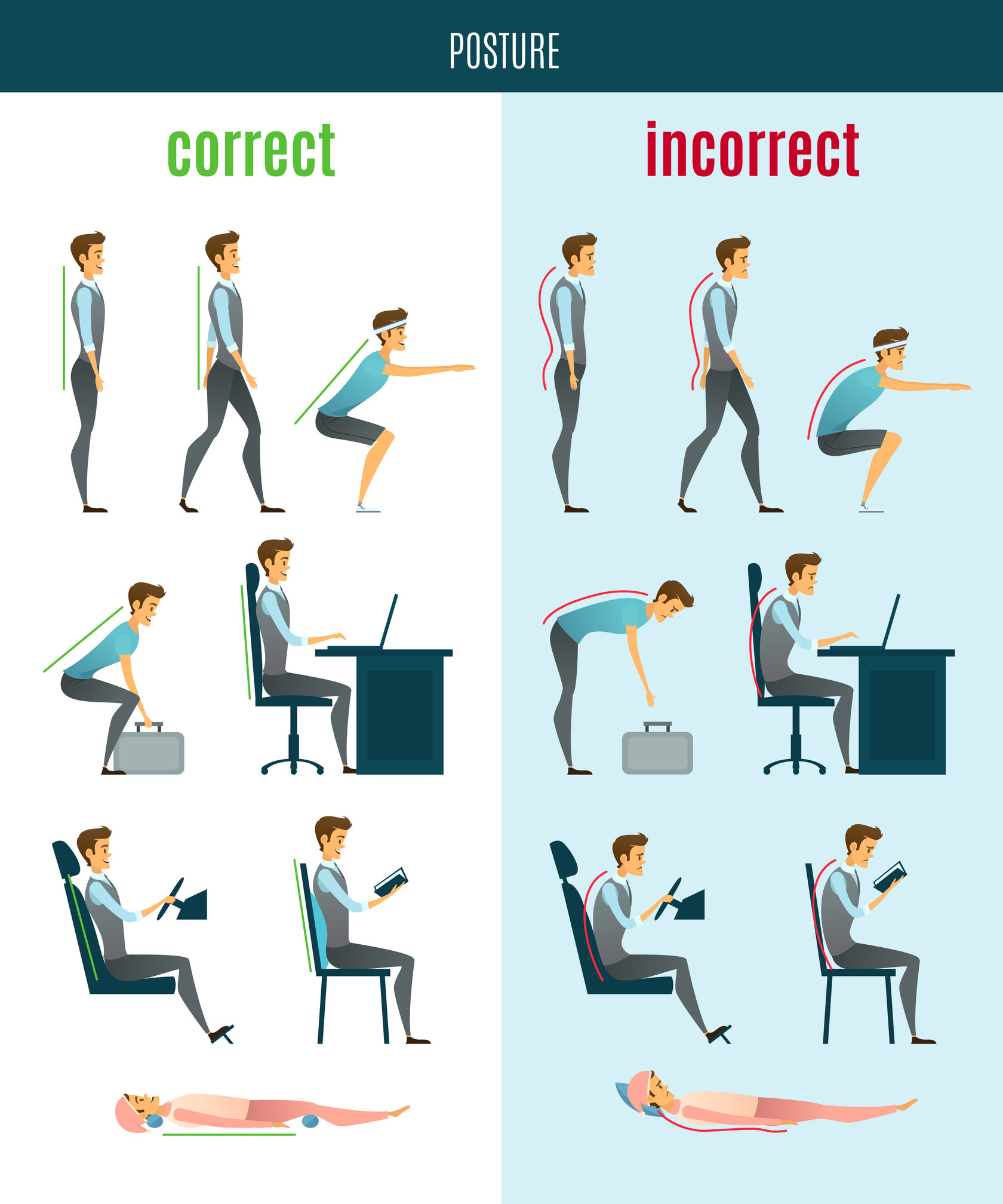
The science of ergonomics focuses on designing workspaces that enhance comfort and efficiency while reducing the risk of injury. An effective workspace should promote good posture and allow for natural movement. To create a comfortable workspace, consider adjusting your chair height, using a supportive chair, and positioning your computer monitor at eye level. Additionally, remember to take regular breaks to stretch and reset your posture; this will improve overall comfort and productivity.
Incorporating ergonomic principles into your workspace can significantly impact your health and well-being. Here are some key components to focus on:
- Chair Support: Use a chair that offers lumbar support and allows for adjustments.
- Desk Height: Ensure that your desk is at an appropriate height to allow your elbows to sit at a 90-degree angle.
- Screen Position: Your monitor should be an arm's length away and the top of the screen at or just below eye level.
By prioritizing these ergonomic elements, you can create a workspace that minimizes strain and enhances productivity.
Counter-Strike is a highly popular first-person shooter game that emphasizes teamwork and strategy. Players can take on the roles of either terrorists or counter-terrorists, engaging in a variety of game modes and missions. The game has gained a massive following due to its competitive nature and skilled gameplay. For those setting up a gaming environment, don't forget to check out the Top 10 Home Office Essentials for optimal performance.
Top 10 Ergonomic Tips for Boosting Creativity and Productivity
In today's fast-paced world, finding ways to enhance both creativity and productivity is essential. Implementing ergonomic tips can significantly impact your work environment and mental well-being. Here are the top 10 ergonomic tips to help you unleash your full potential:
- Adjust Your Workspace: Ensure your chair and desk height allow for proper posture. Your elbows should be at a 90-degree angle, and your feet should be flat on the ground.
- Invest in Ergonomic Furniture: Utilize chairs and desks designed to support your body comfortably, promoting better alignment.
- Optimize Your Screen Position: Position your computer screen at eye level to prevent neck strain and fatigue.
- Take Regular Breaks: Adhere to the 20-20-20 rule: every 20 minutes, look at something 20 feet away for 20 seconds.
- Incorporate Movement: Use standing desks or take short walks during breaks to stimulate circulation and creativity.
- Use Proper Lighting: Ensure your workspace is well-lit, reducing eye strain and improving focus.
- Adjust Keyboard and Mouse: Keep your mouse and keyboard at a comfortable level to avoid wrist strain.
- Mind Your Breathing: Practice deep breathing techniques to enhance focus and reduce stress.
- Personalize Your Space: Decorate your workspace with items that inspire you and foster creativity.
- Stay Hydrated: Keep water nearby; staying hydrated is crucial for maintaining energy and concentration.
Is Your Workspace Affecting Your Mood? Discover the Importance of Ergonomic Design
Have you ever noticed how your mood changes throughout the day while you work? Your workspace plays a crucial role in this aspect, and understanding the impact of ergonomic design can lead to a happier, more efficient work environment. Poorly designed workspaces can contribute to discomfort, fatigue, and even stress, which ultimately affect your productivity and mental well-being. Research has shown that investing in ergonomically designed furniture, such as adjustable chairs and desks, can significantly enhance your overall mood and energy levels.
To better understand the importance of ergonomic design, consider the following aspects of your workspace:
- Chair Comfort: A supportive chair can alleviate pressure on your back and neck.
- Desk Height: Adjusting your desk to the right height promotes good posture.
- Lighting: Natural light can boost your mood, while harsh artificial light can cause eye strain.
By addressing these elements, you can create an environment that not only minimizes physical discomfort but also fosters a positive and productive mindset.