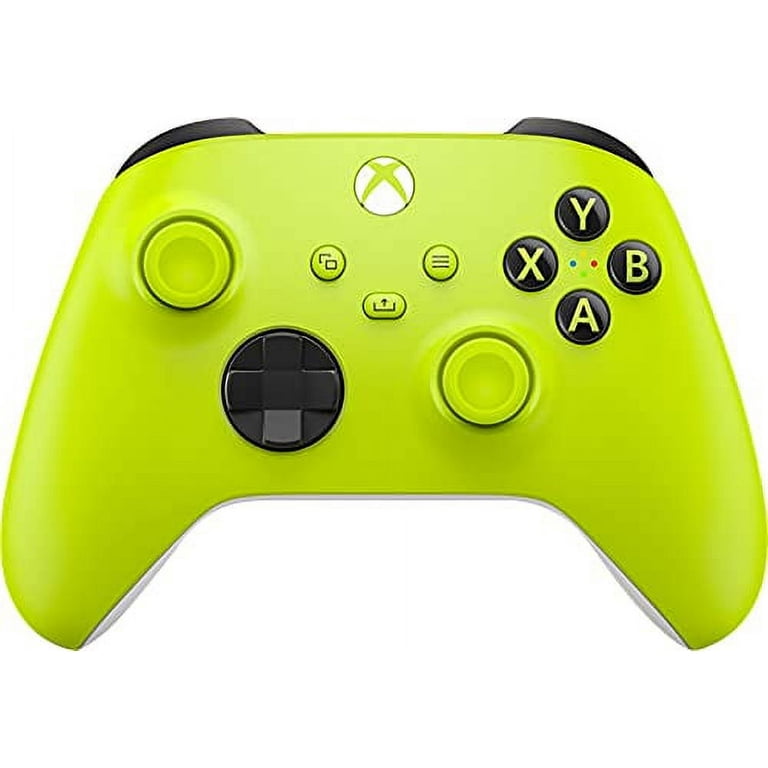
The Rise of Touch: How Mobile Devices Changed Controller Design
The rapid rise of touch technology has fundamentally transformed how we interact with devices, leading to a significant shift in controller design. In the early days of gaming and computing, controllers were primarily characterized by buttons and joystick configurations. However, as mobile devices gained popularity, the touch interface emerged as a game-changer. Touchscreens allowed for more intuitive navigation, giving users the ability to interact with applications and games through swipes, taps, and gestures. This freedom inspired manufacturers to rethink and innovate controller designs, paving the way for more streamlined and user-friendly gaming experiences.
As a result, modern controllers have increasingly incorporated touch features, often merging traditional button layouts with touch-sensitive surfaces. For instance, consoles like the PlayStation 4 and Xbox One introduced touch-enabled components that enable players to perform complex commands with simple finger movements. This fusion of tactile feedback and touch capabilities showcases the evolution of controller design, catering to the growing demands of a mobile-centric gaming audience. Ultimately, the rise of touch technology not only enhances gameplay but also drives innovation in interactive design across the entire tech landscape.
Counter-Strike is a highly popular tactical first-person shooter game that emphasizes team play and strategy. Players can choose to fight as terrorists or counter-terrorists, with a variety of weapons and tactics available to achieve their objectives. For those looking to enhance their gaming experience on mobile devices, check out the Top 10 iphone controllers that can provide better control and precision during gameplay.
From Joysticks to Motion Sensors: Key Innovations in Gaming Controllers
The evolution of gaming controllers has been a fascinating journey, marked by key innovations that have enhanced user experience and gameplay. From the traditional joysticks of the early gaming consoles to the sophisticated motion sensors found in modern controllers, advancements have reshaped how players interact with their games. For instance, the introduction of pressure-sensitive buttons allowed for nuanced control, while wireless technology eliminated the constraints of cables, granting players more freedom of movement. Among the notable milestones, the release of the Nintendo Wii brought motion sensing into the limelight, allowing gamers to engage physically with their games, revolutionizing the way we think about game controls.
As the gaming landscape continues to evolve, future innovations promise to further transform gaming controllers. Emerging technologies such as haptic feedback and adaptive triggers are already making their mark, as seen in the latest consoles like the PlayStation 5. These features aim to create a more immersive experience by providing tactile sensations that correspond with in-game actions. Looking ahead, we can expect advancements in virtual reality (VR) controllers, which will combine motion sensors and real-time feedback to facilitate even deeper levels of interaction. As these innovations unfold, the potential for a new era of gaming experience becomes ever more exciting.
What Makes a Great Controller? Exploring User Experience Through the Ages
Throughout the decades, the evolution of gaming controllers has significantly impacted user experience, making it a vital aspect of what defines a great controller. In the early days of gaming, controllers were often simplistic, with limited functionality that sometimes hindered immersive gameplay. However, as technology advanced, manufacturers began to prioritize user experience by incorporating ergonomic designs, responsive buttons, and innovative features such as dual analog sticks and motion sensors. This transformation not only enhanced gameplay but also shaped the expectations of gamers, leading them to seek out controllers that balance comfort and performance.
Moreover, the evolution of controllers has reflected the changing landscape of gaming genres and user preferences. For instance, the introduction of customizable buttons and programmable macros has allowed gamers to tailor their controller settings to suit specific game styles. In modern times, user experience plays an even more critical role, with features such as haptic feedback and adaptive triggers providing richer engagement. As we explore what makes a great controller, it's essential to recognize that the journey is ongoing, where innovation continues to enhance user experience from one gaming generation to the next.