What Your Car Color Choices Reveal About Your Personality
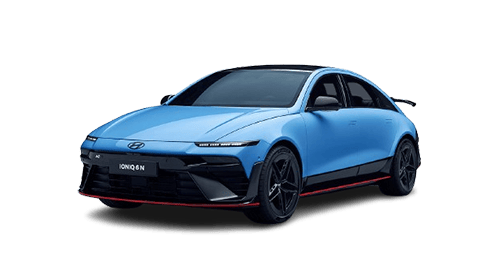
When it comes to choosing a car color, your decision can reflect more than just personal preference; it can unveil insights about your personality. For example, those who opt for red vehicles often exude confidence and vigor. This bold choice is commonly associated with individuals who enjoy standing out and taking risks. In contrast, a person who selects a blue car may be seen as calm and stable, embracing serenity and reliability. Color choices like these can align with common stereotypes, offering a glimpse into the psyche of the driver.
The significance of car color extends beyond personal traits and can also be influenced by societal perceptions. For instance, a black vehicle often symbolizes sophistication and elegance, appealing to those who prioritize a professional image. On the other hand, a yellow car might reflect a playful personality, attracting individuals who are adventurous and light-hearted. Ultimately, understanding the psychology behind car color choices can enhance your awareness of how these hues might influence the way others perceive you on the road.
Counter-Strike is a popular tactical first-person shooter that pits teams of terrorists against counter-terrorists in various missions. The game's strategic depth and emphasis on teamwork have made it a staple in esports. If you're looking for some great gear while gaming, check out the Top 10 iphone car accessories to enhance your experience.
The Psychology of Car Colors: What Do Your Choices Say About You?
The color of a car can reveal much about an individual's personality and preferences. For example, red often signifies excitement and enthusiasm, making it a popular choice among spirited drivers. In contrast, black tends to symbolize elegance and power, appealing to those who appreciate a touch of sophistication. Meanwhile, lighter shades like white and silver are often associated with cleanliness and modernity, implying that the owner values simplicity and minimalism. As you consider the psychology of car colors, it becomes clear that these choices reflect more than just personal taste; they can also indicate deeper traits and values.
Moreover, color psychology extends beyond mere aesthetics. Research suggests that certain car colors can influence not only the perception of the driver by others but also their own mood and behavior. For instance, choosing a blue vehicle might convey a sense of calm and reliability, often attracting those who value consistency. On the other hand, yellow vehicles are often seen as playful and vibrant, attracting drivers who embrace a joyful and adventurous spirit. Whether you opt for bold shades or subdued tones, understanding the psychology of car colors allows you to make a conscious choice that resonates with your identity.
Is Your Car Color a Reflection of Your Mood?
Many car owners often choose their vehicle color based on personal preference, but recent studies suggest that the color of your car may also be a reflection of your mood and personality. For instance, individuals who opt for vibrant colors like red or yellow often display higher levels of energy and enthusiasm. In contrast, those who select more subdued hues such as gray or black may be experiencing feelings of introspection or seriousness. This phenomenon highlights how our mood can subtly influence our choices, reinforcing the connection between our emotional state and our surroundings.
Furthermore, the impact of car colors transcends personal expression; it also influences how others perceive us. According to color psychology, shades like blue convey a sense of trust and reliability, making them popular among professionals. In a way, your car's color can serve as a social signal, hinting at your current emotional landscape and shaping first impressions. Therefore, the next time you consider changing your vehicle's color, think about how it might reflect your current mood and the image you wish to present to the world.