From Fiat to Faucet: Understanding How Your Crypto Wallet Fuels Decentralized Betting & Answering Your "How Do I Fund This?" Questions
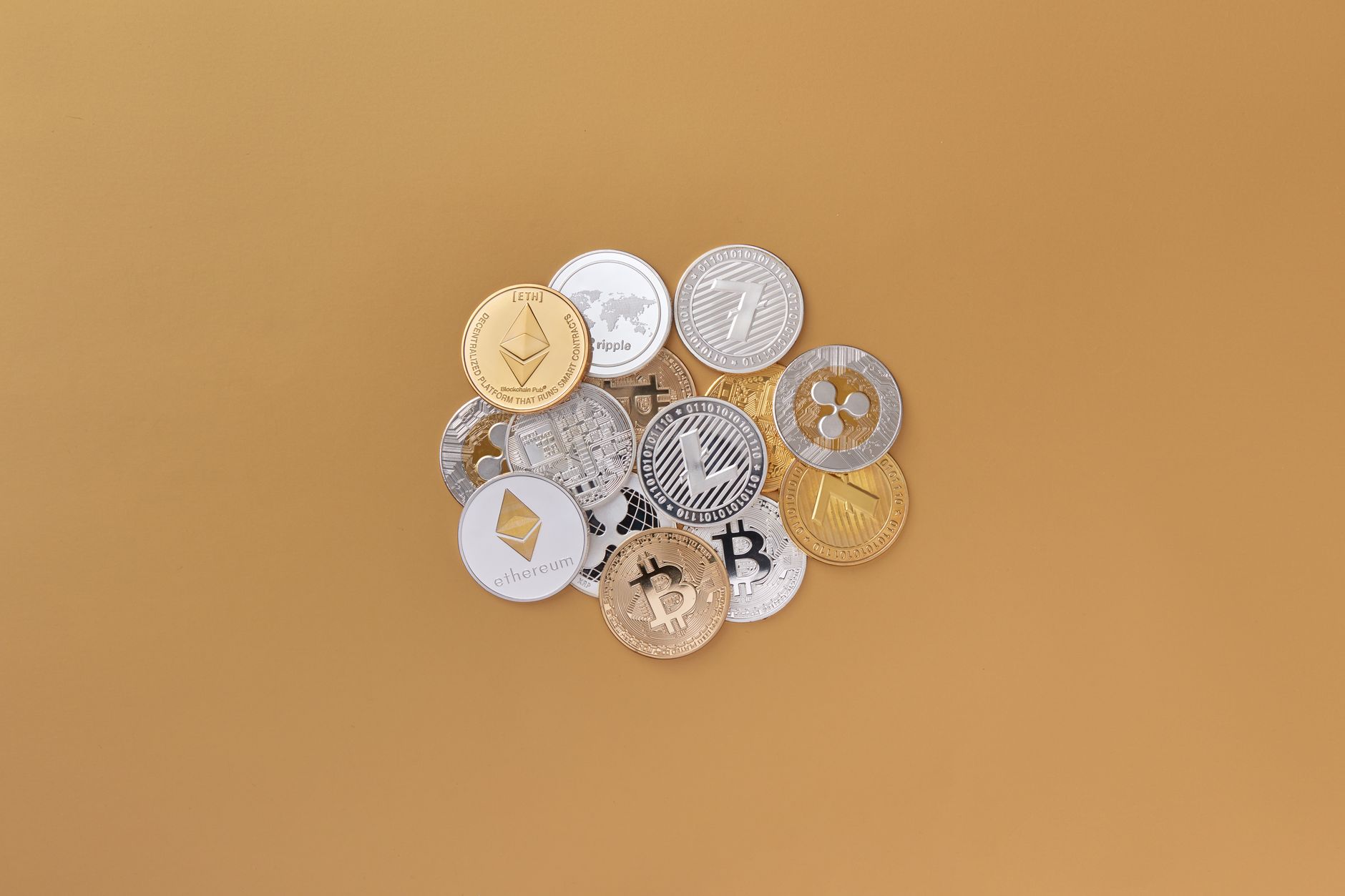
Transitioning from traditional fiat currencies to the world of decentralized betting might seem like a leap, but it's fundamentally about understanding your crypto wallet's role as the central hub. Think of your wallet not just as a place to store your digital assets, but as your personal bank account for the decentralized web. When you engage with a decentralized betting platform, your crypto wallet isn't merely displaying a balance; it's actively interacting with smart contracts, authorizing transactions, and securing your stakes. This direct interaction, bypassing intermediaries, is the cornerstone of decentralized finance (DeFi) and why your wallet is indispensable. It's the gateway through which you'll deposit funds, place bets, and eventually withdraw your winnings, all while maintaining complete control over your assets. Understanding this fundamental connection is the first step towards confidently navigating the exciting landscape of decentralized betting.
The common question, "How do I fund this?", is crucial for newcomers, and thankfully, the process has become significantly more streamlined. There are several primary avenues for converting your fiat currency into the cryptocurrency needed for decentralized betting. The most prevalent method involves using centralized exchanges like Coinbase, Binance, or Kraken, where you can easily link your bank account or debit card to purchase cryptocurrencies such as Ethereum (ETH) or Polygon (MATIC), which are commonly used for gas fees and betting on many platforms. Alternatively, peer-to-peer (P2P) marketplaces offer another way to acquire crypto directly from other users. Once you've acquired your chosen cryptocurrency on an exchange, the final step is to transfer it to your personal, non-custodial wallet (e.g., MetaMask, Trust Wallet). This transfer is essential, as decentralized betting platforms directly interact with your personal wallet, not the exchange's wallet. Always double-check the recipient address to ensure your funds reach their intended destination securely.
Decentralized betting platforms leverage blockchain technology to offer a transparent and secure way to place wagers. These systems eliminate the need for traditional intermediaries, allowing for peer-to-peer betting directly on the blockchain. Learn more about decentralized betting and how it's revolutionizing the online gambling industry. This approach enhances fairness and privacy for users worldwide.
Placing Your First Decentralized Bet: A Step-by-Step Guide, Avoiding Common Pitfalls, and What to Expect After You Click 'Confirm'
Embarking on your first decentralized bet can feel like a leap into the unknown, but with a structured approach, it's a straightforward process. First, you'll need a compatible cryptocurrency wallet (e.g., MetaMask for Ethereum-based platforms) funded with the appropriate cryptocurrency. Next, navigate to your chosen decentralized betting platform – research is key here to ensure its legitimacy and reputation. Carefully review the terms of the bet, including the odds, potential payout, and any associated fees. Once you're confident, connect your wallet, select your desired outcome, and input your stake. Double-check all details before proceeding. Remember, decentralized platforms operate on smart contracts, meaning transactions are irreversible once confirmed.
Avoiding common pitfalls is crucial for a positive initial experience.
One of the biggest mistakes newcomers make is failing to understand gas fees. These are transaction costs on the blockchain and can fluctuate significantly, sometimes making small bets uneconomical. Always factor these in.Furthermore, be wary of platforms promising unrealistic returns or lacking transparent smart contract audits. After you click 'Confirm,' the bet is recorded on the blockchain. You'll typically receive a transaction hash, which serves as your proof. The platform will then automatically settle the bet once the event concludes and the outcome is verified by the smart contract, with winnings automatically distributed to your connected wallet. There's no intermediary to hold your funds, emphasizing the trustless nature of decentralized betting.