Placing Your Bets: A Step-by-Step Guide to Decentralized Wagering & Common Pitfalls
Embarking on the journey of decentralized wagering can feel like navigating uncharted waters, but with a clear roadmap, you can confidently place your bets. The first crucial step is acquiring cryptocurrency, typically Ethereum (ETH) or a stablecoin like USDC, as these are the primary currencies used on most DeFi betting platforms. Next, you'll need a non-custodial crypto wallet, such as MetaMask, which acts as your secure gateway to Web3 applications. Once your wallet is funded and connected, you can explore various decentralized betting platforms – think Augur, Polymarket, or Gnosis – each offering unique markets from sports and politics to speculative events. Carefully review the platform's interface, understand their odds mechanisms (often presented in decimal or fractional formats), and always check the smart contract's audit status for security. Finally, before committing, familiarize yourself with the platform’s dispute resolution process, as this is vital for ensuring fair outcomes.
While the allure of transparent and censorship-resistant betting is strong, several common pitfalls can derail your decentralized wagering experience. One significant hurdle is high gas fees on congested blockchains, particularly Ethereum, which can eat into your potential profits or even make small bets uneconomical. Another pitfall lies in misunderstanding the specifics of a market; unlike traditional bookmakers, decentralized platforms often rely on user-generated markets, which can sometimes have ambiguous interpretations or unexpected settlement rules. Furthermore, the immutable nature of blockchain transactions means there's no 'undo' button – a misclick or an incorrect wallet address can lead to permanent loss of funds. Finally, be wary of scams or platforms with unverified smart contracts; always prioritize platforms with a strong reputation, clear documentation, and independent security audits.
"In DeFi betting, the house isn't a centralized entity, but rather the smart contract itself, making transparency a double-edged sword if not understood."
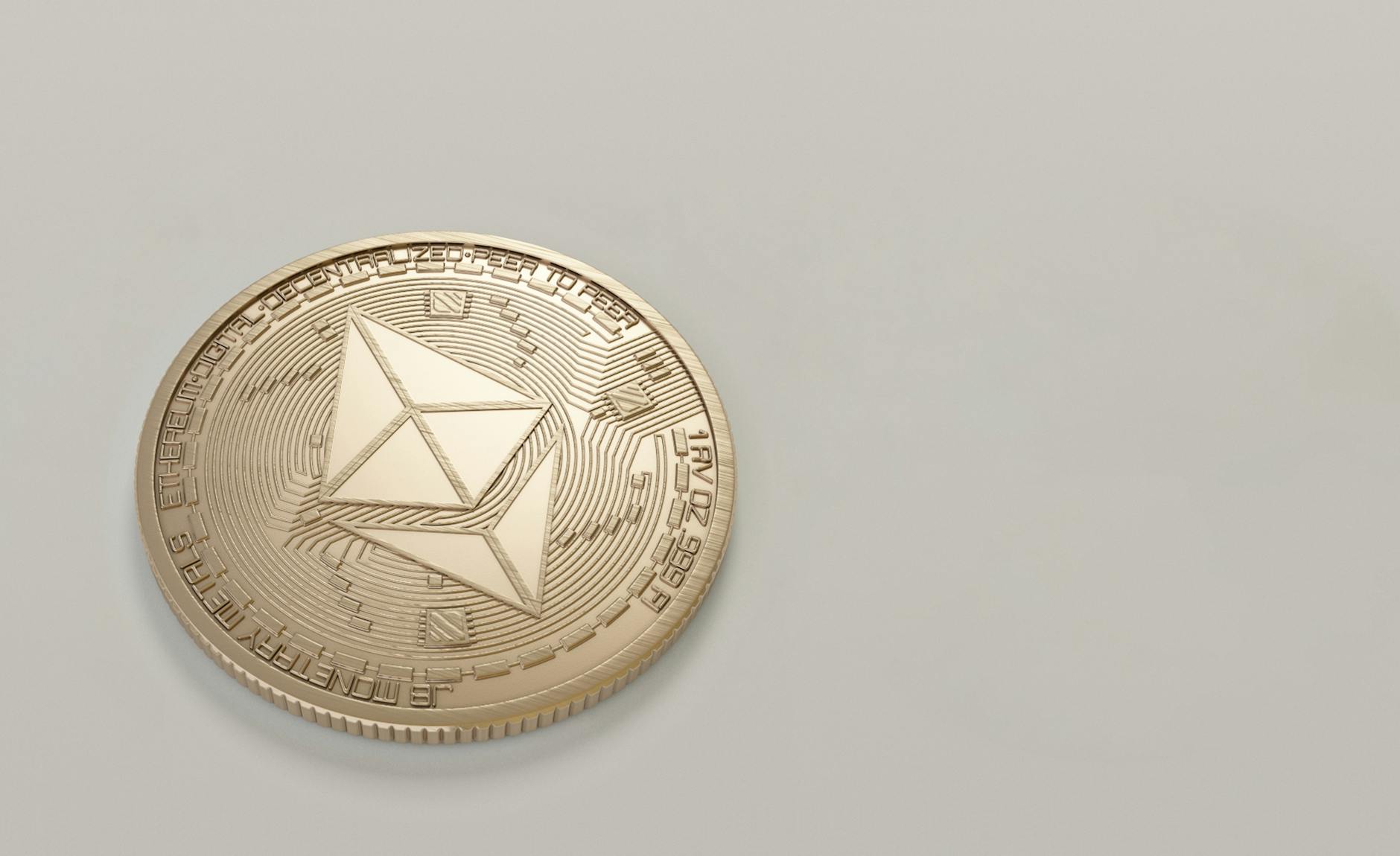
As the World Cup approaches, fans are looking for new and exciting ways to engage with the tournament, and ethereum world cup betting is emerging as a popular option. This decentralized form of wagering offers enhanced transparency and security, allowing participants to place bets directly on the blockchain. With the growing interest in cryptocurrencies and sports betting, ethereum-based platforms are poised to offer a unique and potentially lucrative experience for football enthusiasts worldwide.
Understanding Your Odds: Explaining Smart Contracts, Oracles, and Answering Your 'What If' Questions
Navigating the decentralized landscape requires a foundational understanding of its core components, particularly when it comes to the reliability and security of your digital assets. At the heart of many blockchain applications are smart contracts – self-executing agreements written directly into code. Think of them as digital vending machines: if condition X is met, action Y automatically occurs, without the need for intermediaries. However, these contracts are inherently isolated; they can't 'see' the outside world. This is where oracles become indispensable. Oracles are secure, decentralized bridges that fetch real-world data (like stock prices, weather conditions, or election results) and feed it to smart contracts, enabling them to react to external events. Without reliable oracles, smart contracts would be confined to their blockchain, severely limiting their real-world utility and the innovative applications they can power.
Now, let's tackle those crucial 'what if' questions that naturally arise when dealing with such intricate systems. What if the oracle feeds incorrect data? What if the smart contract has a bug? These are valid concerns addressed by robust design principles and ongoing advancements. Many decentralized oracle networks (DONs) employ multiple independent data sources and cryptographic proofs to ensure data integrity and prevent single points of failure. Furthermore, the immutability of smart contracts, while a strength, necessitates rigorous auditing and testing before deployment. Projects often utilize
- formal verification
- bug bounties
- community-driven reviews