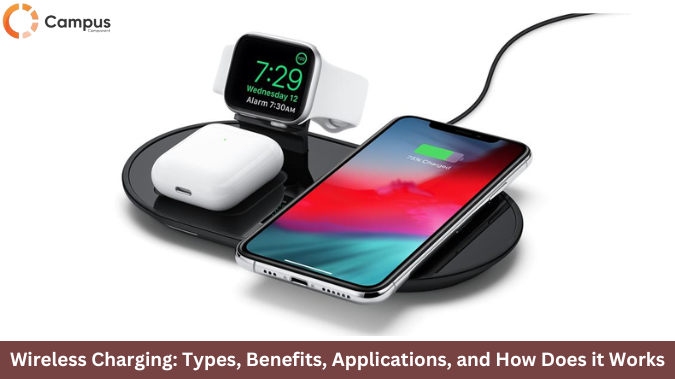
The Science Behind Wireless Power: How It Works
The science behind wireless power has fascinated researchers and innovators for decades, enabling the transmission of energy without the need for physical connectors. At the core of this technology lies the principle of electromagnetic induction, where an alternating current flowing through a coil generates a magnetic field. This magnetic field then induces an electric current in a nearby coil, allowing devices to receive power without a direct connection. This method is commonly used in applications like electric toothbrushes and smartphones that utilize Qi wireless charging technology.
Another method used in wireless power transmission is resonant inductive coupling, which involves tuning both the transmitter and receiver coils to the same frequency. This synchrony maximizes energy transfer efficiency and allows for greater distances between the two coils. As research progresses, we are witnessing advancements such as laser power transmission and microwave power transmission, which further expand the possibilities for a future where devices, vehicles, and even entire cities could operate wirelessly. Overall, the science behind this fascinating technology not only revolutionizes how we power our devices but also opens new doors for sustainable energy solutions.
Counter-Strike is a highly popular first-person shooter game known for its team-based gameplay and tactical elements. Players can choose to be part of either the terrorist or counter-terrorist team, with objectives that often involve bomb planting or hostage rescue. For gamers looking to enhance their gaming experience, having the right setup is crucial—check out the Top 10 Nightstand Chargers for Apple Watch to ensure your devices are always powered up during your gaming sessions.
Revolutionizing Our Lives: The Impact of Wireless Charging on Daily Technology
The advent of wireless charging technology is revolutionizing our lives by simplifying the way we power our devices. No longer tethered to a wall socket, users can now charge their smartphones, wearables, and other gadgets simply by placing them on a charging pad. This convenience not only enhances user experience but also encourages more sustainable practices. As public spaces increasingly adopt wireless charging stations, such as in cafes and airports, the ability to power up on-the-go is transforming how we interact with technology throughout our day.
Moreover, the impact of wireless charging extends beyond mere convenience; it promotes a cleaner and more organized environment. With the elimination of multiple cords and charging adapters, homes and offices can appear more aesthetically pleasing and less cluttered. As manufacturers innovate and incorporate this technology into more devices, the future promises further integration into daily technology, potentially leading to a world where charging is as seamless as setting down your device. This shift not only enhances our productivity but also paves the way for new opportunities in technological advancement.
Is Wireless Power the Future of Sustainable Energy?
The advent of wireless power technology has ignited discussions around its potential as a cornerstone for sustainable energy solutions. Unlike traditional wired power systems, wireless power transmits energy through electromagnetic fields, allowing devices to be charged without physical connections. This innovation not only offers convenience but also aims to reduce the reliance on fossil fuels and minimize energy wastage inherent in conventional methods. Furthermore, as renewable energy sources like solar and wind power gain traction, integrating wireless power technologies could lead to more efficient energy distribution, ultimately contributing to a greener future.
However, the question remains: is wireless power truly viable for widespread use in sustainable energy applications? While current advancements show promise, challenges such as energy loss during transmission, safety concerns, and regulatory hurdles must be addressed. As researchers and engineers continue to innovate in this field, we may witness a significant shift towards a cleaner and more efficient energy landscape. In conclusion, while wireless power holds significant potential for reshaping our energy systems, its success will depend on overcoming existing limitations and ensuring that it aligns with our sustainability goals.